Makkah al-Mukarramah is the holiest city in Islam and the site of more sacred and historically significant locations than any other city on earth. For pilgrims performing Umrah or Hajj, visiting these sites through Ziyarat transforms the pilgrimage from a ritual into a living encounter with Islamic history.
This guide covers every major Ziyarat place in Makkah with descriptions, distances from Masjid al-Haram, visiting guidance, and the Urdu name for each site. It is designed to help you plan your Makkah Ziyarat, understand the significance of each location, and decide how much time to spend at each stop.
For pilgrims who want to visit these sites with a private taxi, our Makkah Ziyarat taxi service covers all the sites listed on this page with short tours (2.5 to 3 hours) and full tours (4 to 5 hours) starting from SAR 290 for a sedan.
What is Ziyarat in Makkah?
Ziyarat means “visit” in Arabic, but in the context of Makkah it carries a meaning far deeper than a simple visit. Makkah Ziyarat refers to the practice of visiting the sacred and historically significant sites connected to the Prophet Muhammad, peace be upon him, the earlier Prophets, the Companions (Sahaba), and the pivotal events of early Islamic history.
These visits are not obligatory rituals of Umrah or Hajj. They are strongly recommended acts of reflection, remembrance, and spiritual connection that most scholars encourage pilgrims to perform during their time in Makkah. Standing where the first revelation descended, walking where the early Muslims walked, and reflecting at the sites where the foundations of this faith were laid is a profoundly moving experience.
Ziyarat is not sightseeing. It is an act of the heart as much as the body. The intention matters. Coming with sincerity, knowledge of the site’s significance, and an open heart to make duʿa and reflect is what transforms a visit into Ziyarat.
Makkah ki Ziyarat ka matlab hai un muqaddas aur tarikhi maqamaat ki ziyarat karna jo Hazrat Muhammad ﷺ aur Islam ki tarikh se munsalik hain. Yeh Umrah ya Hajj ke farzi arkan mein shamil nahi hai lekin pilgrims ke liye bahut aham aur roohani tajruba hai.
How Many Ziyarat Places Are There in Makkah?
There is no fixed official number, as different scholars and tour operators include different sites. However there are approximately 15 to 20 commonly visited Ziyarat sites in Makkah that most pilgrims include in their itinerary. These can be grouped into four categories:
- Mountain and cave sites: Jabal al-Nour (Cave of Hira), Jabal Thawr (Cave of Thawr), Jabal al-Rahmah (Arafat)
- Cemetery and burial sites: Jannat al-Mu’alla, Jabal al-Qurban (graves of early martyrs)
- Mosques and Islamic heritage sites: Masjid al-Jinn, Masjid Ayesha (Taneem, Miqat), Masjid al-Khaif, Masjid Nimrah, Masjid al-Mashar al-Haram
- Hajj ritual sites: Mina, Muzdalifah, Arafat plain, Jamarat area, Canal of Zubaida
A standard short Ziyarat tour covers 5 to 6 core sites in 2.5 to 3 hours. A full tour covers 8 to 10 sites in 4 to 5 hours. A comprehensive tour covering every site on this list requires a full day.
Complete Makkah Ziyarat Places List – Every Site Explained
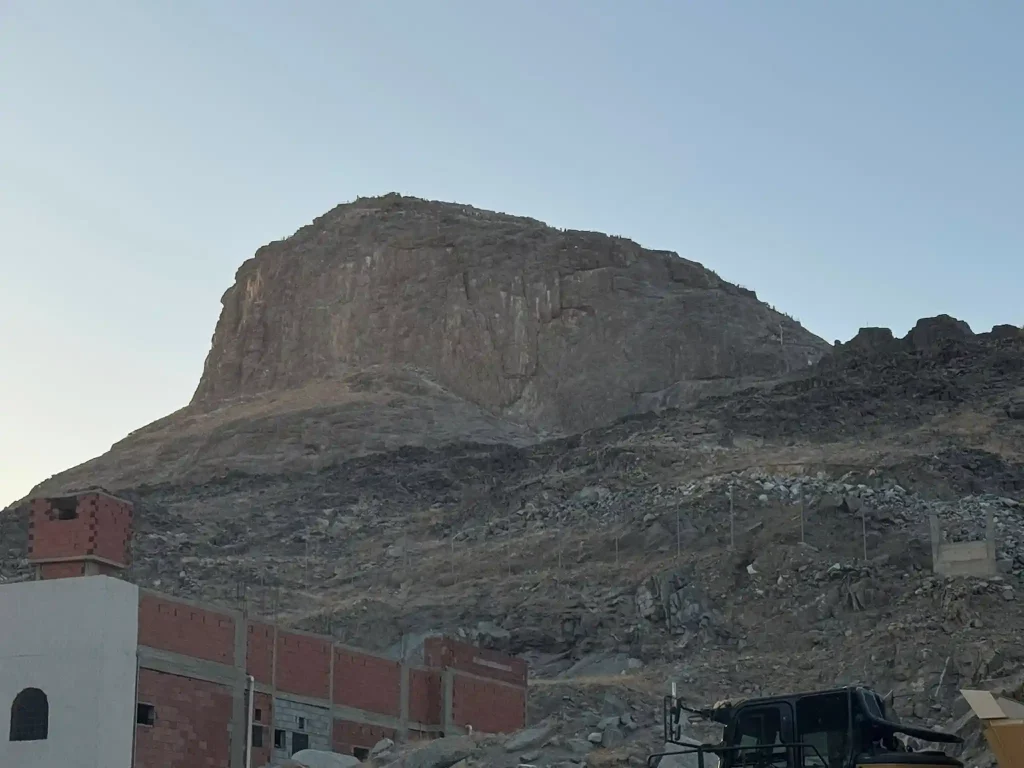
Jabal al-Nour and Cave of Hira
- Urdu name: جبل النور (Jabal al-Noor, Ghaar-e-Hira)
- Distance from Masjid al-Haram: Approximately 4 km northeast
Physical difficulty:
High. The climb to the Cave of Hira requires approximately 30 to 45 minutes of steep ascent on stone steps. There are approximately 1,200 steps. Not recommended for elderly pilgrims or those with heart or joint conditions. The mountain can be viewed and reflected upon from the base.
Significance:
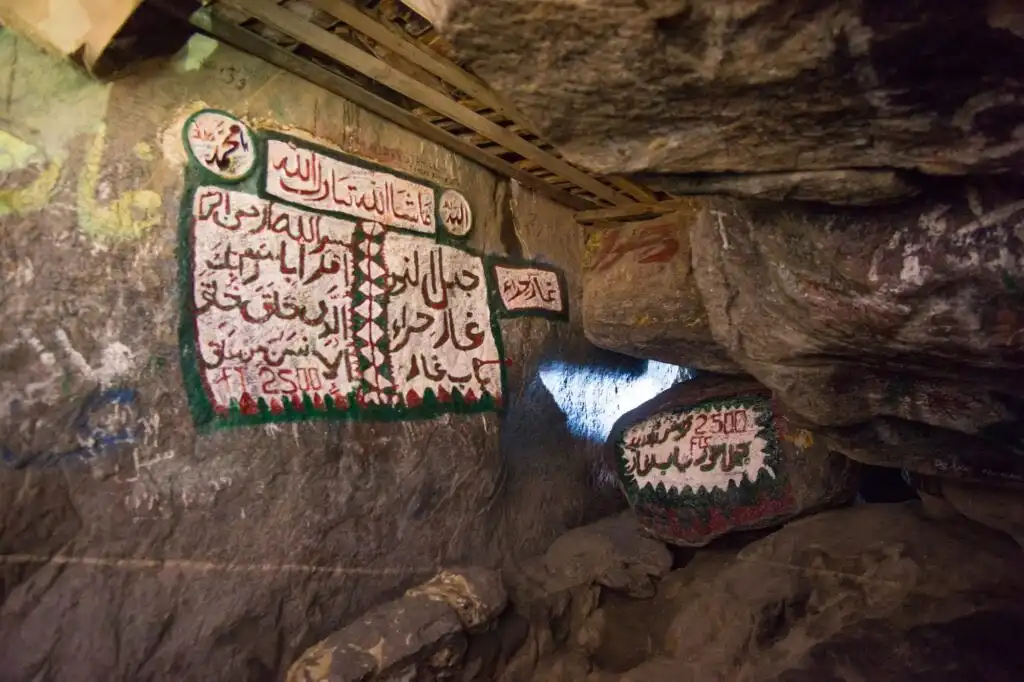
Jabal al-Nour, the Mountain of Light, houses the Cave of Hira at its summit, one of the most sacred sites in all of Islam. It is here that the Prophet Muhammad ﷺ would retreat for extended periods of meditation and worship before prophethood. In 610 CE, in this cave, the Angel Jibreel, peace be upon him, descended and delivered the first five verses of the Quran:
"Iqra bismi rabbika alladhi khalaq" (Read in the name of your Lord who created).
The cave itself is small, approximately 3.7 meters long and 1.6 meters wide, barely enough for a person to stand and pray. Yet from this cave the message that would change the world began its journey. Standing at the entrance and reflecting on that moment is one of the most powerful experiences a Muslim can have anywhere on earth.
Visiting tips:
The climb is best attempted in the early morning before 8am when the temperature is lower and the crowds are smaller. Wear comfortable shoes with good grip. The path is well-marked with steps but is steep throughout.
At the summit, wait your turn to enter the cave as space is very limited. Offer two rakaat of prayer if possible and make your duʿa inside or at the entrance. Allow 1.5 to 2 hours for the full experience including the climb and descent.
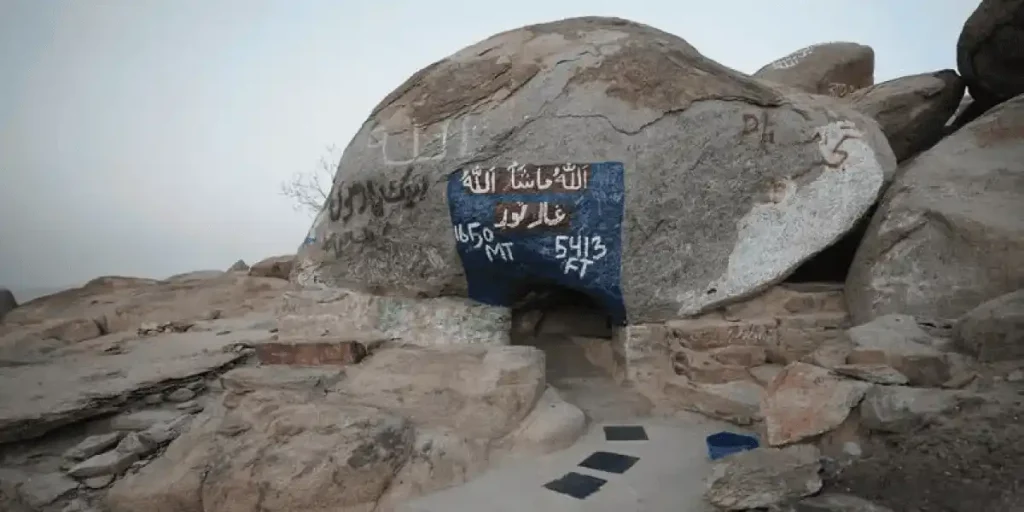
Jabal Thawr and Cave of Thawr
- Urdu name: جبل ثور (Jabal Thawr, Ghaar-e-Thawr)
- Distance from Masjid al-Haram: Approximately 6 km south
Physical difficulty:
Very high. Jabal Thawr is a significantly more demanding climb than Jabal al-Nour, with a steeper and rougher path. Not suitable for elderly pilgrims or those with any physical limitations.
Significance:
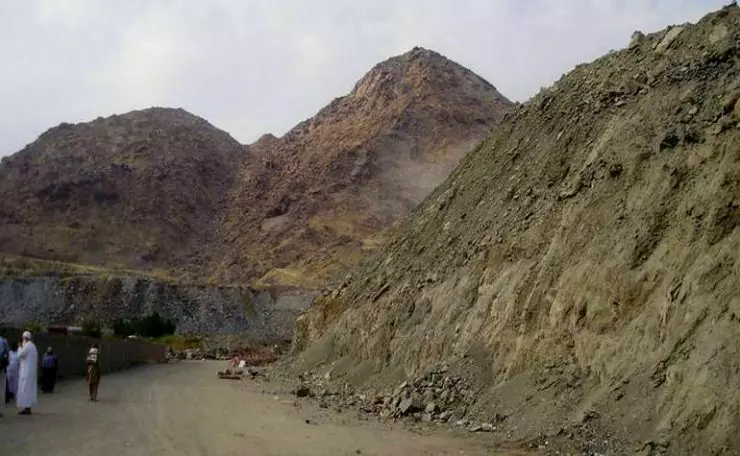
Jabal Thawr is the mountain where the Prophet Muhammad ﷺ and his companion Abu Bakr al-Siddiq, may Allah be pleased with him, took refuge for three days during the Hijrah from Makkah to Madinah. The Quraysh had dispatched search parties to capture the Prophet ﷺ, and this cave offered divine protection.
Islamic narration states that Allah commanded a spider to weave its web across the cave entrance and a dove to nest at the mouth, so that when the search party arrived and saw an unbroken web and a nesting dove, they concluded no one could have entered and turned away. The Quran refers to this moment in
Surah al-Tawbah (9:40): "If you do not aid him, Allah has already aided him…"
The Cave of Thawr is a symbol of tawakkul (complete reliance on Allah), the companionship of true believers, and divine protection in moments of greatest vulnerability.
Visiting tips:
The climb takes approximately 45 to 60 minutes and is more physically demanding than Jabal al-Nour. The path is rocky and less developed. For pilgrims who wish to connect with this site without the climb, viewing the mountain from below and making duʿa while reflecting on the Hijrah story is entirely meaningful and spiritually valid.
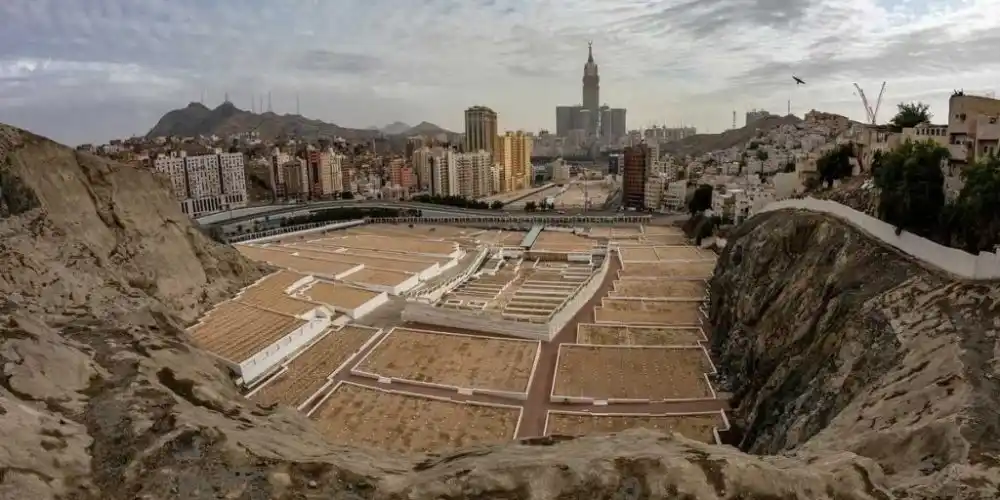
Jannat al-Mu’alla
- Urdu name: جنت المعلی (Jannat al-Mu’alla, Maqbara Maula)
- Distance from Masjid al-Haram: Approximately 0.5 km north
- Physical difficulty: Minimal. The cemetery is accessible with very short walking.
Visiting hours:
The cemetery has restricted visiting hours and is typically open after Fajr and for a period during the day. It may be closed to women at certain times. Check locally as access policies change periodically.
Significance:
Jannat al-Mu’alla is the ancient cemetery of Makkah and holds some of the most revered names in Islamic history. Among those buried here are:
Sayyidah Khadijah bint Khuwaylid, may Allah be pleased with her, the first wife of the Prophet ﷺ and the first person to accept Islam. Her sacrifice, support, and unwavering faith during the most difficult early years of the message was acknowledged by the Prophet ﷺ throughout his life.
Abdul Muttalib, the grandfather of the Prophet ﷺ, who raised and protected him after the death of his parents.
Qasim and Abdullah, two of the Prophet’s ﷺ sons who died in infancy.
Several other members of the Prophet’s ﷺ family and early companions.
Visiting Jannat al-Mu’alla and offering Salaam to those buried here is a deeply moving experience. The Prophet ﷺ said: “Visit the graves for they remind you of the Hereafter.”
Visiting tips:
Offer Salaam upon entering. The appropriate duʿa upon entering a cemetery is:
"Assalamu alaykum ahl al-diyyar min al-mu'mineen wal muslimeen…"
Walk respectfully and quietly. Photography inside cemeteries is generally considered inappropriate. Spend time in personal duʿa and reflection.
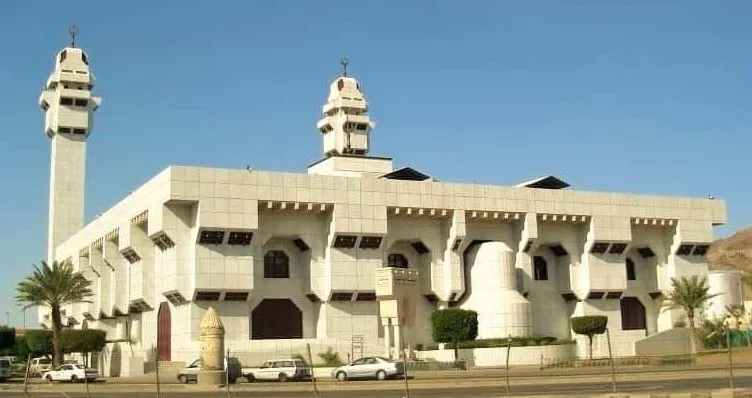
Masjid Ayesha – Taneem Mosque (Miqat)
- Urdu name: مسجد عائشہ (Masjid Ayesha, Miqat Taneem)
- Distance from Masjid al-Haram: Approximately 7 km northwest
- Physical difficulty: Minimal. The mosque is fully accessible.
Significance:
Masjid Ayesha, formally known as Masjid al-Taneem, is the nearest Miqat point to Masjid al-Haram. It is named after Sayyidah Aisha, may Allah be pleased with her, who traveled to this location at the instruction of the Prophet ﷺ during the Farewell Hajj to enter the state of Ihram and perform Umrah.
This mosque is where pilgrims who are already within the Haram boundary (such as those staying in Makkah) come to enter Ihram before performing an additional Umrah. It is one of the most frequently visited sites in Makkah during Umrah season as many pilgrims perform multiple Umrah during their stay.
This site is simultaneously a Ziyarat location of historical significance and a practical Miqat point. For pilgrims wanting to perform an additional Umrah, the visit to Masjid Ayesha is both a Ziyarat and the beginning of a new spiritual journey.
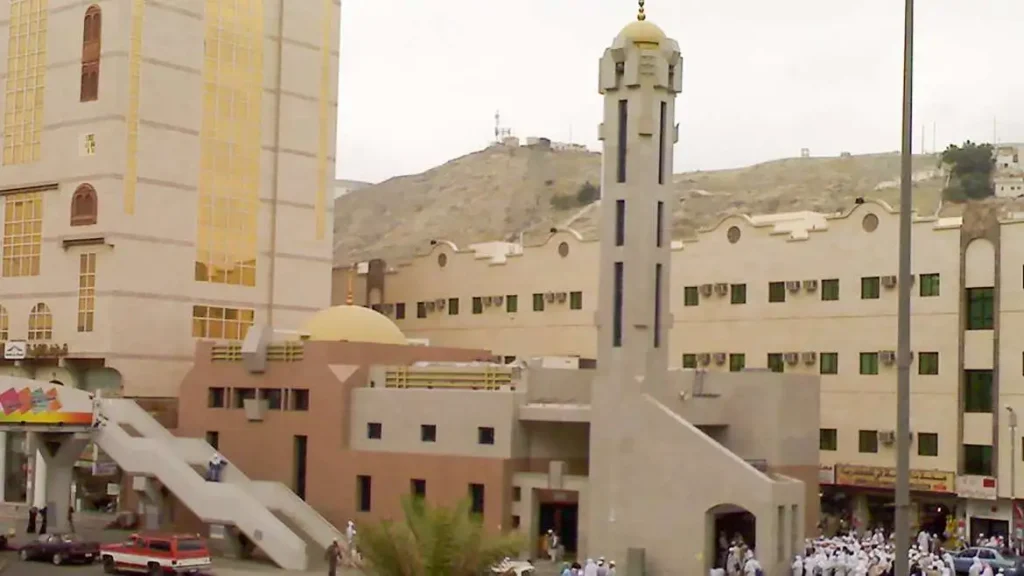
Masjid al-Jinn
- Urdu name: مسجد الجن (Masjid al-Jinn)
- Distance from Masjid al-Haram: Approximately 2 km east
- Physical difficulty: Minimal. The mosque is fully accessible.
Significance:
Masjid al-Jinn is built on the location where, according to Islamic narration and as mentioned in Surah al-Jinn (72:1-2), a group of jinn heard the Prophet Muhammad ﷺ reciting the Quran and accepted Islam.
“Say, It has been revealed to me that a group of the jinn listened and said, ‘Indeed, we have heard a wondrous Quran. It guides to the right course, and we have believed in it.'”
The mosque is one of the oldest in Makkah and carries the distinction of being the place where the message of Islam transcended humanity to reach another of Allah’s creations. It is a reminder of the universal nature of this message.
Mina – The Valley of Sacrifice
- Urdu name: منی (Mina, Khaimoun ka Sheher)
- Distance from Masjid al-Haram: Approximately 8 km east
- Physical difficulty: Minimal for a visit and viewing. The Jamarat area requires more walking during Hajj.
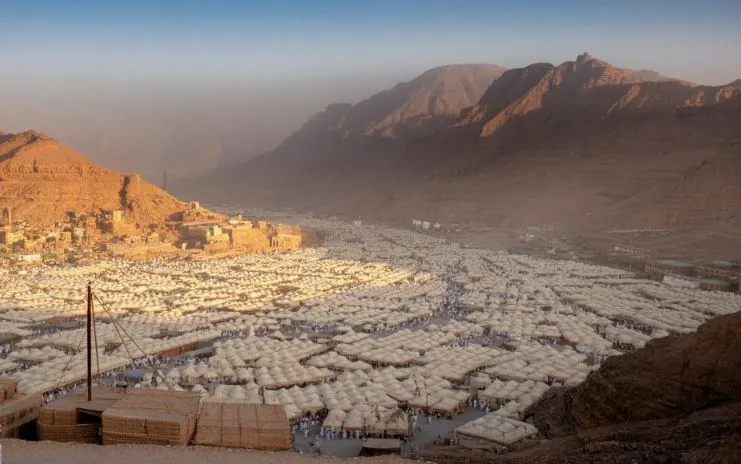
Significance:
Mina is the valley where some of the most important rituals of Hajj take place. It is known as the Tent City because over 100,000 air-conditioned tents are erected here during Hajj to accommodate the millions of pilgrims.
The Jamarat area in Mina is where the symbolic Rami (stoning of the devil) takes place, reenacting the moment when Prophet Ibrahim, peace be upon him, drove away the devil with stones when Shaytan attempted to dissuade him from following Allah’s command to sacrifice his son Ismail, peace be upon him.
Mina is also the site of the annual Qurbani (sacrifice) performed during Eid al-Adha, commemorating Prophet Ibrahim’s willingness to sacrifice his son in complete submission to Allah’s command.
Outside of Hajj season, Mina is largely empty but remains a deeply significant place to visit and reflect upon the story of sacrifice, obedience, and divine mercy.
Arafat and Jabal al-Rahmah
- Urdu name: میدان عرفات اور جبل رحمت (Maidan-e-Arafat, Jabal-e-Rahmat)
- Distance from Masjid al-Haram: Approximately 20 km east
- Physical difficulty: Low to moderate. The plain is flat but Jabal al-Rahmah requires a moderate climb.
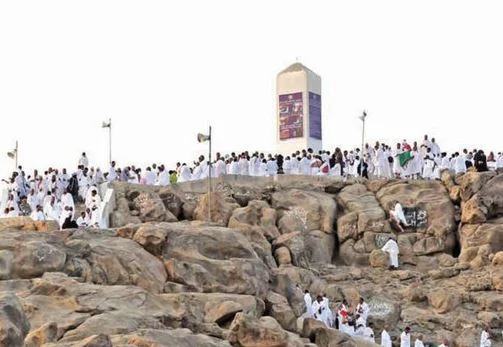
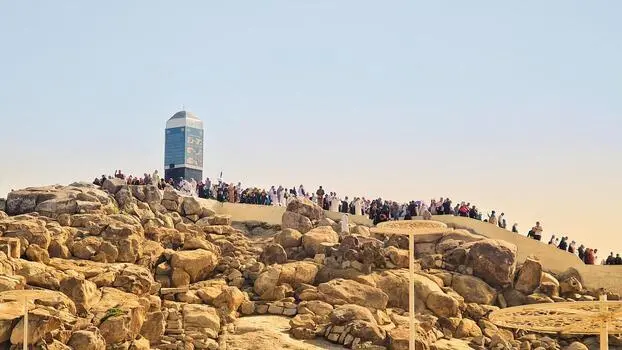
Significance:
The plain of Arafat is where the heart of Hajj beats. On the 9th of Dhul Hijjah, millions of pilgrims gather here for Wuquf, the standing, which is the central act of Hajj. The Prophet ﷺ said: “Hajj is Arafat.” Without the standing at Arafat, Hajj is invalid.
Jabal al-Rahmah, the Mount of Mercy, rises approximately 70 meters above the Arafat plain. It is the place associated with the meeting of Prophet Adam and Hawwa (Eve), peace be upon them, after their descent from paradise. It is also the location from which the Prophet ﷺ delivered part of his Farewell Sermon during his last Hajj.
The Farewell Sermon delivered here is considered one of the most important speeches in human history, establishing the principles of human dignity, equality, and the finality of prophethood.
Visiting Arafat outside Hajj season is a powerful experience of silence and scale. Standing on the vast open plain, understanding that millions gather here once a year in the greatest human gathering on earth, inspires deep reflection.
Muzdalifah
- Urdu name: مزدلفہ (Muzdalifah)
- Distance from Masjid al-Haram: Approximately 12 km east (between Mina and Arafat)
- Physical difficulty: Minimal.
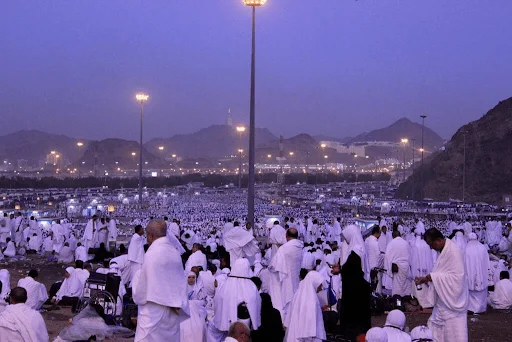
Significance:
Muzdalifah is the open plain between Mina and Arafat where Hajj pilgrims spend the night after returning from Arafat, praying Maghrib and Isha together, gathering pebbles for the Rami at Mina, and resting under the open sky. The simplicity of spending a night in the open with millions of fellow pilgrims is one of the most vivid and humbling experiences of Hajj.
The Mashʿar al-Haram (Sacred Monument) is located in Muzdalifah, mentioned in the Quran in Surah al-Baqarah (2:198):
"…remember Allah at al-Mashʿar al-Haram…"
Masjid al-Mashar al-Haram is built at this location. Outside of Hajj, Muzdalifah is a quiet and reflective place that helps visitors understand the physical geography of the pilgrimage.
Masjid Nimrah
- Urdu name: مسجد نمرہ (Masjid Nimrah)
- Distance from Masjid al-Haram: Approximately 21 km east (within Arafat area)
- Physical difficulty: Minimal.
Significance:
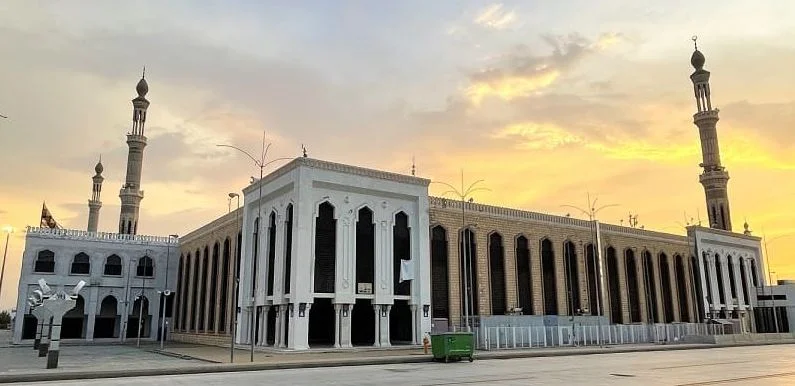
Masjid Nimrah is a large and beautiful mosque located at the edge of the Arafat plain. It is built on or near the site where the Prophet Muhammad ﷺ camped and delivered his Farewell Sermon during his last Hajj. During Hajj, the Imam of this mosque delivers the Hajj sermon before the Dhuhr and Asr prayers are combined and shortened. For most of the year the mosque is accessible for prayer and reflection.
Canal of Zubaida (Nahr Zubaida)
- Urdu name: نہر زبیدہ (Nahr Zubaida)
- Distance from Masjid al-Haram: Varies, the canal remnants are visible in several areas
- Physical difficulty: Minimal.
Significance:
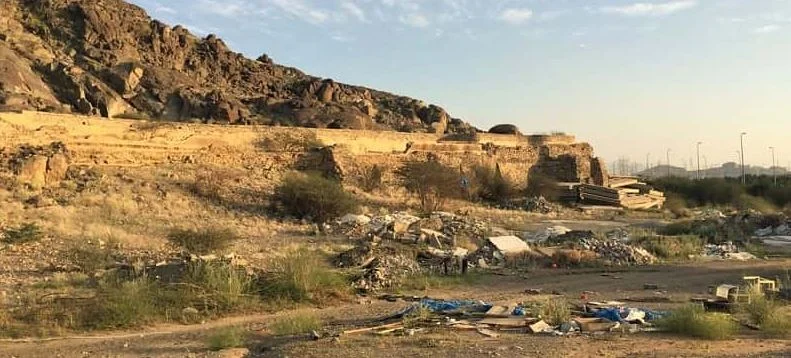
The Canal of Zubaida is named after Zubaida bint Jafar, the wife of the Abbasid Caliph Harun al-Rashid. In the 9th century CE she commissioned an extraordinary feat of Islamic engineering to bring fresh water from springs near Taif all the way to Makkah and the pilgrimage routes, covering over 1,000 km.
The project took years and cost vast sums, but Zubaida famously said: “Even if each blow of the pickaxe costs a dinar, I will complete it.” The canal served pilgrims for centuries and its remnants are preserved as a symbol of the generosity and service that Islam encourages toward pilgrims.
Maqam Ibrahim
- Urdu name: مقام ابراہیم (Maqam Ibrahim)
- Distance from Masjid al-Haram: Inside Masjid al-Haram, a few meters from the Kaaba
- Physical difficulty: Minimal, within the Haram compound.
Significance:
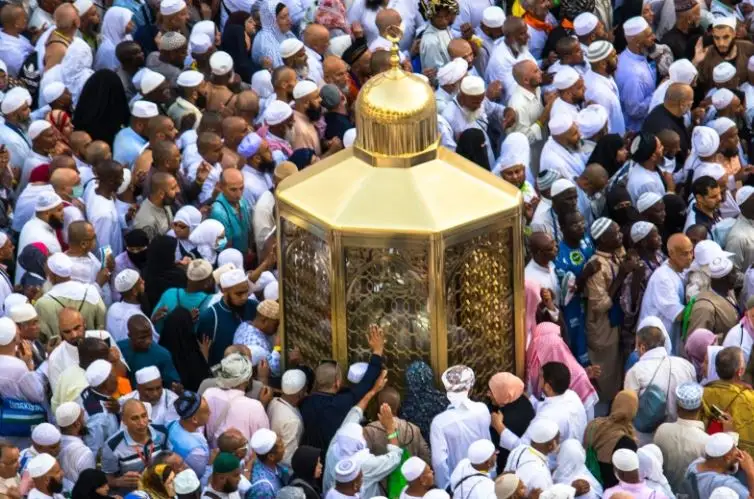
Maqam Ibrahim is the stone upon which Prophet Ibrahim, peace be upon him, stood while building the Kaaba with his son Ismail. Allah preserved the footprints of Ibrahim on this stone as a miracle and a sign. The Quran commands:
"Take the standing place of Ibrahim as a place of prayer" (2:125).
Pilgrims are encouraged to offer two rakaat behind Maqam Ibrahim after completing Tawaf.
Zamzam Well
- Urdu name: زمزم کنواں (Zamzam Ka Kuan)
- Distance from Masjid al-Haram: Inside Masjid al-Haram, beneath the Mataf area
- Physical difficulty: Minimal. Zamzam water is freely available throughout the Haram.
Significance:
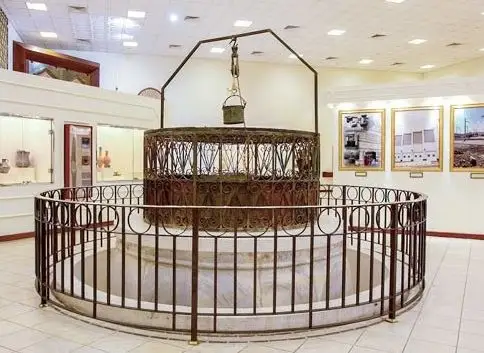
The Zamzam Well is one of the greatest miracles preserved in the world. Over 4,000 years ago, when the infant Ismail, peace be upon him, cried from thirst and his mother Hajar ran between the hills of Safa and Marwa searching for water, Allah caused a spring to burst forth beneath the feet of the infant.
This spring has never dried. Millions of liters of Zamzam water are consumed every year and scientifically the well has shown remarkable properties. Drinking Zamzam with intention and duʿa is a deeply spiritual act for every Muslim pilgrim.
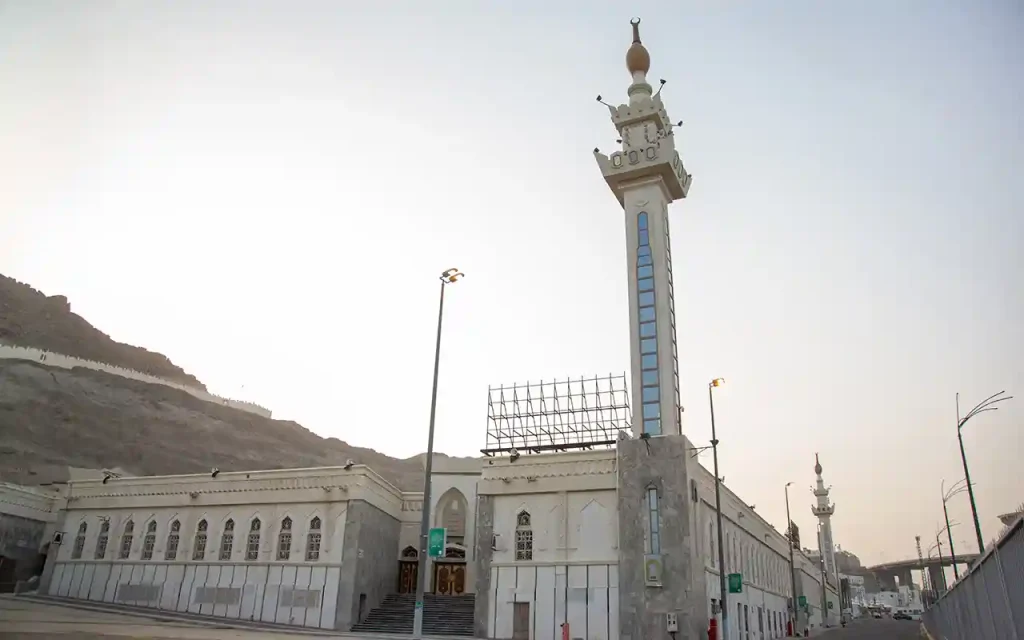
Masjid al-Khaif
- Urdu name: مسجد الخیف (Masjid al-Khaif)
- Distance from Masjid al-Haram: Approximately 8 km east, in Mina
- Physical difficulty: Minimal. The mosque is in the Mina valley.
Significance:
Masjid al-Khaif is located in Mina and is one of the oldest and most historically significant mosques in Makkah. Islamic narration states that numerous Prophets, including Prophet Ibrahim, peace be upon him, prayed at this location. Some narrations mention that 70 Prophets prayed here. During Hajj, pilgrims staying in Mina pray their five daily prayers at this mosque.
Birthplace of the Prophet (Mawlid al-Nabi Site)
- Urdu name: مولد النبی ﷺ (Mawlid al-Nabi)
- Distance from Masjid al-Haram: Approximately 0.5 km north
- Physical difficulty: Minimal.
The site traditionally associated with the birthplace of the Prophet Muhammad ﷺ is located in the Al-Suq area near Masjid al-Haram. The location is today occupied by the Makkah Royal Clock Tower Library. Pilgrims who wish to acknowledge and reflect on this location visit the area and make duʿa.
Suggested Makkah Ziyarat Tour Sequences – Short and Full
Short Ziyarat tour sequence (2.5 to 3 hours)
This sequence covers the most accessible and spiritually significant sites in the shortest time. Ideal for elderly pilgrims, families with children, and those with limited time.
- Jannat al-Mu’alla (30 minutes), begin with the cemetery near the Haram while the morning is cool and the cemetery is open. Offer Salaam and make duʿa.
- Masjid al-Jinn (15 minutes), a short stop to acknowledge this historic site and offer a brief prayer.
- Mina viewpoint (20 minutes), pass through Mina, stop at a viewpoint to understand the scale of the Hajj pilgrimage site.
- Muzdalifah (15 minutes), a pass through the open plain with time for reflection.
- Arafat and Jabal al-Rahmah (30 minutes), stand on the plain, view Jabal al-Rahmah, and make duʿa at the place of the Farewell Sermon.
- Jabal al-Nour base (20 minutes), for those who do not wish to climb, time for reflection at the base of the Mountain of Light.
Return to hotel.
Full Ziyarat tour sequence (4 to 5 hours)
This sequence covers all major sites with adequate time at each for prayer and reflection. Ideal for first-time pilgrims and those who want a comprehensive experience.
- Jabal al-Nour and Cave of Hira (90 minutes including climb and descent), begin early before the heat and crowds build.
- Jannat al-Mu’alla (30 minutes), on the return from Jabal al-Nour, stop at the cemetery while it is open.
- Masjid Ayesha, Taneem (20 minutes), if performing additional Umrah, this is where Ihram is entered. Otherwise a brief visit and prayer.
- Masjid al-Jinn (15 minutes), brief stop with prayer.
- Mina and Jamarat area (20 minutes), drive through the Tent City with a stop at the Jamarat area.
- Masjid al-Khaif in Mina (15 minutes), brief prayer in this historically significant mosque.
- Muzdalifah and Masjid al-Mashar al-Haram (20 minutes), reflection at the Sacred Monument.
- Arafat and Jabal al-Rahmah (30 minutes), prayer and duʿa on the plain.
- Masjid Nimrah (15 minutes), brief visit to the mosque of the Farewell Sermon.
- Canal of Zubaida (10 minutes), brief stop to acknowledge this remarkable heritage site.
Return to hotel.
Practical Guide to Visiting Makkah Ziyarat Sites
Best time of day:
Early morning from Fajr until approximately 9am is the best time for most Ziyarat sites. The temperature is significantly lower, the crowds at climbing sites like Jabal al-Nour are smaller, and the atmosphere at cemeteries and open sites like Arafat is particularly peaceful.
Avoid midday from approximately 11am to 3pm, particularly in summer when temperatures in Makkah regularly exceed 40 degrees Celsius. Outdoor sites like Jabal al-Nour, Arafat, and Mina become very hot during these hours.
Late afternoon from Asr until Maghrib is a second good window, particularly for the Arafat and Mina area where the evening light and cooler temperatures create a beautiful atmosphere.
What to wear:
Modest dress is required at all Ziyarat sites. For women, full abaya and hijab. For men, full coverage with no shorts. Comfortable walking shoes with good grip are essential for any site involving climbing. Light, breathable fabrics are important given Makkah’s climate.
What to bring:
Water is essential, particularly for climbing sites. A small prayer mat. A duʿa book if you have one. A camera is acceptable at most outdoor sites but should be used respectfully. Photography inside mosques varies by site. Photography inside cemeteries is generally considered inappropriate.
Important access note: All Ziyarat sites in Makkah are restricted to Muslims only, as is the entire city of Makkah.
How to Visit Makkah Ziyarat Sites – Your Options
Private Ziyarat taxi:
The most flexible and recommended option for families, elderly pilgrims, and first-time visitors. Your private vehicle covers the sites at your own pace with no group schedule pressure. Our Makkah Ziyarat tour service starts from SAR 290 for a sedan. Short tours cover 5 to 6 sites in 2.5 to 3 hours. Full tours cover 8 to 10 sites in 4 to 5 hours.
Shared Ziyarat bus:
Lower cost at approximately SAR 40 to 80 per person but operates on a fixed schedule with 10 to 15 minutes at each stop. Not ideal for pilgrims who want meaningful time at sites for prayer and reflection.
Walking for nearby sites:
Jannat al-Mu’alla, Masjid al-Jinn, and the Mawlid al-Nabi site are all within walking distance of Masjid al-Haram for pilgrims staying in nearby hotels. Jabal al-Nour is approximately 4 km and can be reached by taxi or on foot for fit pilgrims.